Franklin, Tennessee is more than just a place-it’s a story. Founded in 1799 and named for Benjamin Franklin, this charming town on the Harpeth River has evolved from a quiet agricultural community into a thriving, culturally rich city. For most of its first 180 years Franklin was a tranquil, small county seat with a thriving economy. However, the Civil War devastated the economy. The Battle of Franklin on November 30, 1864, cost more than 8,000 casualties and turned every home and building in town into a hospital. It took 120 years for the county economy to reach pre–Civil War levels. Today, Franklin is the 7th largest city in Tennessee and one of the fastest growing.
The streets of Franklin tell the tale of a community gracefully rooted in its past and thoughtfully preserved for the future. From the early settlers to modern-day visionaries, Franklin’s legacy lives on in every building, brick, and bridge.
A Timeless Legacy: The Story of Franklin
Franklin, Tennessee is more than just a place-it’s a story. Founded in 1799 and named for Benjamin Franklin, this charming town on the Harpeth River has evolved from a quiet agricultural community into a thriving, culturally rich city. For most of its first 180 years Franklin was a tranquil, small county seat with a thriving economy. However, the Civil War devastated the economy. The Battle of Franklin on November 30, 1864, cost more than 8,000 casualties and turned every home and building in town into a hospital. It took 120 years for the county economy to reach pre–Civil War levels. Today, Franklin is the 7th largest city in Tennessee and one of the fastest growing.
The streets of Franklin tell the tale of a community gracefully rooted in its past and thoughtfully preserved for the future. From the early settlers to modern-day visionaries, Franklin’s legacy lives on in every building, brick, and bridge.
Franklin, Tennessee is more than just a place-it’s a story. Founded in 1799 and named for Benjamin Franklin, this charming town on the Harpeth River has evolved from a quiet agricultural community into a thriving, culturally rich city. For most of its first 180 years Franklin was a tranquil, small county seat with a thriving economy. However, the Civil War devastated the economy. The Battle of Franklin on November 30, 1864, cost more than 8,000 casualties and turned every home and building in town into a hospital. It took 120 years for the county economy to reach pre–Civil War levels. Today, Franklin is the 7th largest city in Tennessee and one of the fastest growing.
The streets of Franklin tell the tale of a community gracefully rooted in its past and thoughtfully preserved for the future. From the early settlers to modern-day visionaries, Franklin’s legacy lives on in every building, brick, and bridge.
*Much of this history is from Rick Warwick’s book, “North and East of Franklin’s Public Square: A Pictorial Tour”*
A Rich and Resilient Past
Just beyond the bustling Public Square lies an area that quietly shaped much of Franklin’s early development. The first home in town was built here in 1798 by Ewen Cameron. Not long after, in 1825, the state’s first steam-powered loom in Tennessee was operating on East Main Street. Nearby, an iron foundry produced parts for agricultural tools and machinery—and possibly even the fluted columns that still stand at the courthouse today.
Throughout the 1800s, this district grew into a center of commerce and industry. The Old Factory Store served as an outlet for local goods, while the Franklin Flouring Mill, opened in 1868, contributed to the town’s post-war recovery. On Second Avenue South, the Hiram Masonic Lodge, built in 1823 as Franklin’s first three-story public building, hosted important civic meetings—including a notable gathering between President Andrew Jackson and Chickasaw delegates in 1830.
Architecture lovers will find some of Franklin’s oldest homes here as well, including the Davis-Woldridge House (1810) and Clouston Hall (1828)—both testaments to the enduring beauty and craftsmanship of the era.
The arrival of the railroad in 1855 marked a turning point for the town. With a depot on South Margin Street, Franklin became a gateway to larger markets, fueling the growth of mills, warehouses, and businesses that served both local families and national demand. Even today, remnants of this industrial boom remain visible in the bridges and stonework along First Avenue.
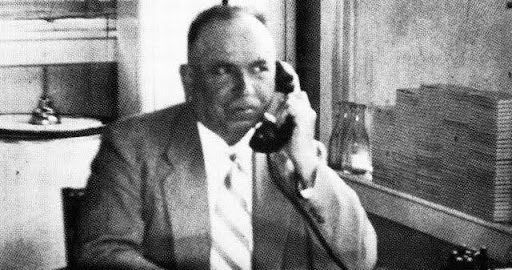

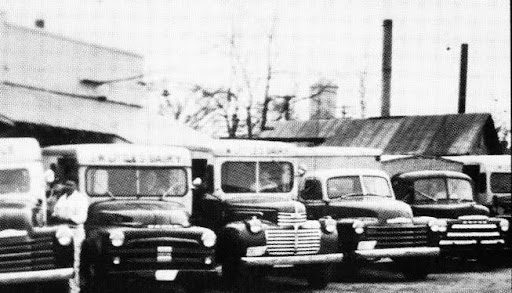
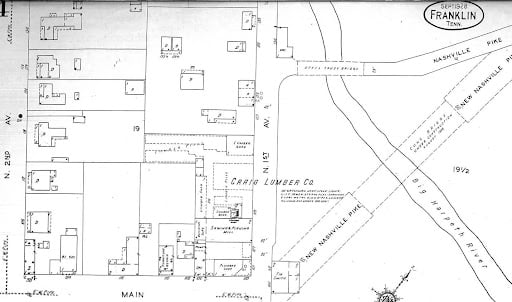
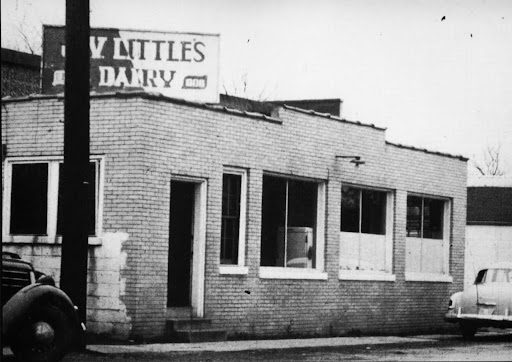
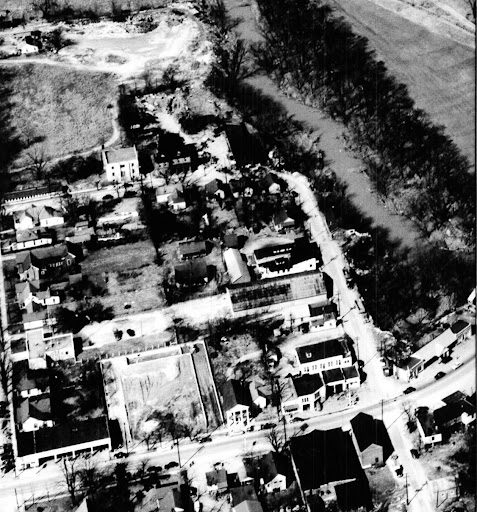
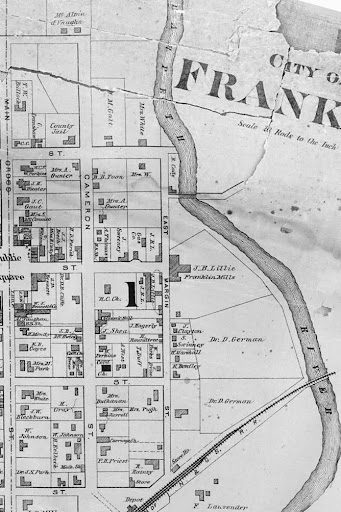
Photo credits: All historic photos are courtesy of Rick Warwick, Williamson County Historian, from his book North and East of Franklin’s Public Square: A Pictorial Tour. Dairy-related photographs are credited to Jackie and Bob Canaday, as noted in the book.
Preserving the Past, Embracing the Future
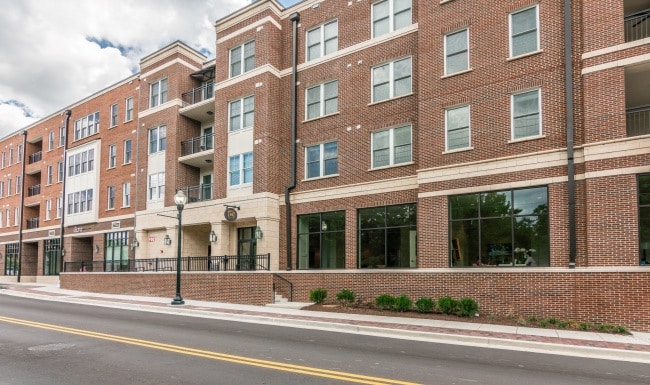
As the 20th century unfolded, many original homes and historic buildings gave way to commercial development. Yet, in recent decades, Franklin has renewed its commitment to preservation. One notable transformation occurred in 2018, when aging industrial structures between First and Second Avenues were replaced with Harpeth Square—a thoughtfully designed community of elevated residences, boutique shops, and a boutique hotel. This once-overlooked block now stands as a vibrant example of how investment and vision can breathe new life into old ground.
Today, thanks to the tireless efforts of the Heritage Foundation of Williamson County and others, Franklin’s architectural treasures continue to be restored and protected, ensuring that the city’s story remains visible and tangible for generations to come.
A Community That Honors Its Roots
Franklin’s charm lies in its ability to celebrate the past while embracing modern life. Neighborhoods like those along Second Avenue still reflect the town’s rich cultural fabric—from 19th-century churches built by Reconstruction-era congregations to the legacy of immigrant families who established St. Philip Catholic Church in 1869, now serving a diverse and growing community.
Franklin’s early integration of African American railroad workers, mill hands, and working-class families on streets like Bridge, First, and Second Avenues laid the foundation for the city’s inclusive spirit. Prominent craftspeople like carriage makers Henry Eelbeck and Perkins Priest once lived and worked here, alongside entrepreneurial figures like John H. Truett, Sr.—a grocer, livery owner, and colorful local legend.
Today, residents of Harpeth Square’s elegant brownstones and nearby single-family homes live side by side with locally owned businesses and vibrant public spaces. It’s a seamless blend of heritage and forward momentum, where the echoes of history still guide the rhythm of daily life.
Living in Franklin means becoming part of something greater—a community that doesn’t just remember its roots but builds upon them every single day.
Explore Franklin’s Historic Treasures
- Carnton – Once a family home and later a Confederate field hospital, Carnton offers guided tours of its beautifully preserved grounds and moving Civil War history.
- Lotz House Museum – Located near the heart of downtown, this house showcases stunning architecture and personal artifacts from the Battle of Franklin.
- Carter House – This National Historic Landmark served as the epicenter of the Battle of Franklin. Today, it offers an immersive tour experience that captures the gravity of the past.
- Downtown Franklin Walking Tour – Stroll through Franklin’s charming Main Street while learning about the architecture, people, and events that shaped the town.
- African American Heritage Tour – A self-guided tour highlighting key landmarks and the stories of African Americans in Franklin’s history.


Where to Walk, Hike, and Play in Franklin, Tennessee
Franklin, Tennessee offers a variety of scenic parks and trails that highlight the area’s natural beauty and provide the perfect setting for outdoor recreation. Whether you’re looking for a peaceful place to walk your dog, a wooded trail for hiking, or a family-friendly green space, Franklin has something for everyone. Here are some local favorites:
- The Park at Harlinsdale Farm
A 200-acre historic horse farm turned public park with wide open spaces, a dog park, fishing pond, and a walking trail that loops around the scenic property. - Bicentennial Park
A peaceful greenway nestled between downtown Franklin and the Harpeth River, offering scenic trails, river views, and easy access to both Harpeth Square and The Park at Harlinsdale Farm. - Pinkerton Park
A favorite for families, this park offers paved walking trails along the Harpeth River, a large playground, picnic areas, and easy access to Fort Granger via a wooded trail.
These parks and trails not only showcase Franklin’s charm but also offer year-round opportunities to relax, explore, and connect with nature.
Living at Harpeth Square means these meaningful sites are just steps away—making it easy to connect with the city’s roots while enjoying everything modern downtown living has to offer.
Join Our Community Today

Helpful Pages

PRIVACY POLICY | © Copyright 2026 Harpeth Square. All Rights Reserved.
 A NASHVILLE WEBSITE DESIGN COMPANY